Traditional Chinese Medicine for Weight Loss: A Holistic Approach
Losing weight effectively often requires a multifaceted approach. While Western medicine often focuses on calorie restriction and exercise, Traditional Chinese Medicine (TCM) offers a holistic perspective, addressing underlying imbalances within the body. This guide explores how TCM views weight management, its methods, and how to safely integrate them into your life. We will emphasize practical steps and clear explanations, acknowledging the limitations of current research and the importance of professional guidance.
Understanding the TCM Viewpoint
Unlike Western approaches that primarily focus on calories and exercise, TCM views weight gain as a disruption in the body's Qi (vital energy) and blood flow. This imbalance, often described as "dampness," leads to water retention and a sluggish metabolism, hindering the body's ability to process and eliminate waste effectively. Think of it as a clog in your body's drainage system.
Core Principles of TCM Weight Loss
Several key principles guide TCM weight-loss strategies:
Strengthening the Spleen: The spleen plays a crucial role in digestion and nutrient absorption. Improving its function enhances metabolism and prevents "dampness" buildup.
Reducing Dampness: This is central to TCM weight loss. Techniques aim to eliminate excess fluid and reduce inflammation, optimizing bodily functions.
Balancing Qi and Blood: Harmonious energy flow is vital for healthy weight management. Acupuncture and herbal remedies can help restore this balance.
Addressing Emotional Factors: Stress and emotional eating significantly impact weight. TCM acknowledges this, addressing these emotional roots for sustainable change. Could addressing underlying stress be the key to unlocking your weight-loss journey?
TCM Techniques for Weight Management
TCM utilizes various methods to support weight loss:
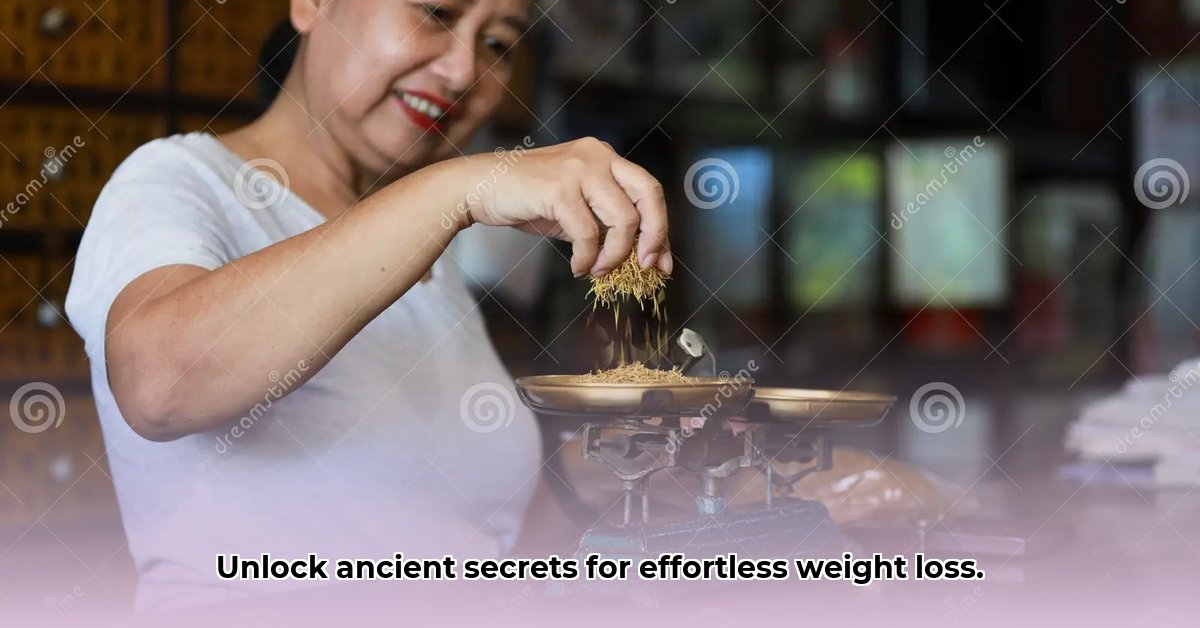
Herbal Remedies: Certain herbs, like lotus leaf and Cassia obtusifolia, may boost metabolism and reduce water retention. Crucial Note: Always consult a licensed TCM practitioner for personalized herbal prescriptions to avoid potential side effects.
Acupuncture: This involves placing thin needles at specific points on the body to stimulate energy flow, potentially reducing cravings and stress. Auricular acupuncture (ear acupuncture) is commonly used for appetite control.
Dietary Therapy: TCM emphasizes eating foods suited to your individual constitution. This may involve reducing greasy foods and increasing those that aid digestion and reduce dampness. A qualified practitioner can provide personalized dietary guidance. What dietary adjustments could optimize your body's natural weight regulation?
Gentle Movement: Practices like Tai Chi and Qigong improve circulation, strengthen the body, and manage stress, thereby promoting healthy weight management.
A Long-Term Approach: Patience and Professional Guidance
TCM weight loss isn't a quick fix; it's a gradual process focused on lasting lifestyle changes. While anecdotal evidence and some smaller studies show promise, more large-scale research is needed to fully confirm its effectiveness for weight loss in diverse populations. This is why consulting a licensed TCM practitioner is crucial for safe and effective results. They will tailor a plan to your unique needs and health conditions.
How to Safely Integrate TCM Herbs with Western Weight Loss Methods
Combining TCM and Western weight-loss strategies can offer a holistic approach. However, safe integration requires careful planning and professional guidance. Never self-treat.
Understanding the Synergy
Western medicine addresses the physiological aspects of weight gain effectively, while TCM focuses on underlying energetic imbalances. The combination offers a powerful approach, addressing both the physical and energetic aspects of weight management.
TCM Herbs and Weight Management
Various TCM herbs support weight management, but they are not a standalone solution. They should be used within a comprehensive plan guided by a licensed TCM practitioner.
Integrating Safely: A Step-by-Step Guide
Consult Your Doctor: Discuss your medical history, current medications, and weight loss goals with your physician before starting any new treatment.
TCM Assessment: A licensed practitioner will assess your constitution to determine appropriate herbal remedies and dietary recommendations.
Herb Selection: Based on your assessment, your practitioner will recommend specific herbs, explaining their properties, dosages, and potential side effects.
Safe Dosage and Interactions: Strict adherence to recommended dosages is vital. Your practitioner will help manage interactions between TCM herbs and Western medications.
Monitoring and Adjustment: Regular follow-up appointments are essential to monitor progress and make necessary adjustments to the treatment plan.
Potential Challenges and Considerations
Limitations include the lack of extensive research comparing this integrated approach to Western-only methods and inconsistencies in TCM herbal preparations. Therefore, sourcing herbs from reputable suppliers is crucial.
Conclusion: A Holistic Path to Sustainable Weight Management
Sustainable weight management is a journey, not a race. This integrated approach addresses both physical and energetic aspects for lasting results. It's about fostering overall well-being, not just achieving a specific number on the scale. Remember, consistency and professional guidance are paramount for your safety and success.